
Houston TX Kitchen Remodel Dumpster Guide: Start Your Cleanup Plan
Houston TX Kitchen Remodel Dumpster Guide is your simple plan for dealing with cabinets, counters, and kitchen floors without feeling overwhelmed. A kitchen tear out in Houston creates long cabinet runs, heavy tops, and layers of old flooring. All of that needs a safe place to go so you do not block the driveway or stack sharp debris in walk paths.
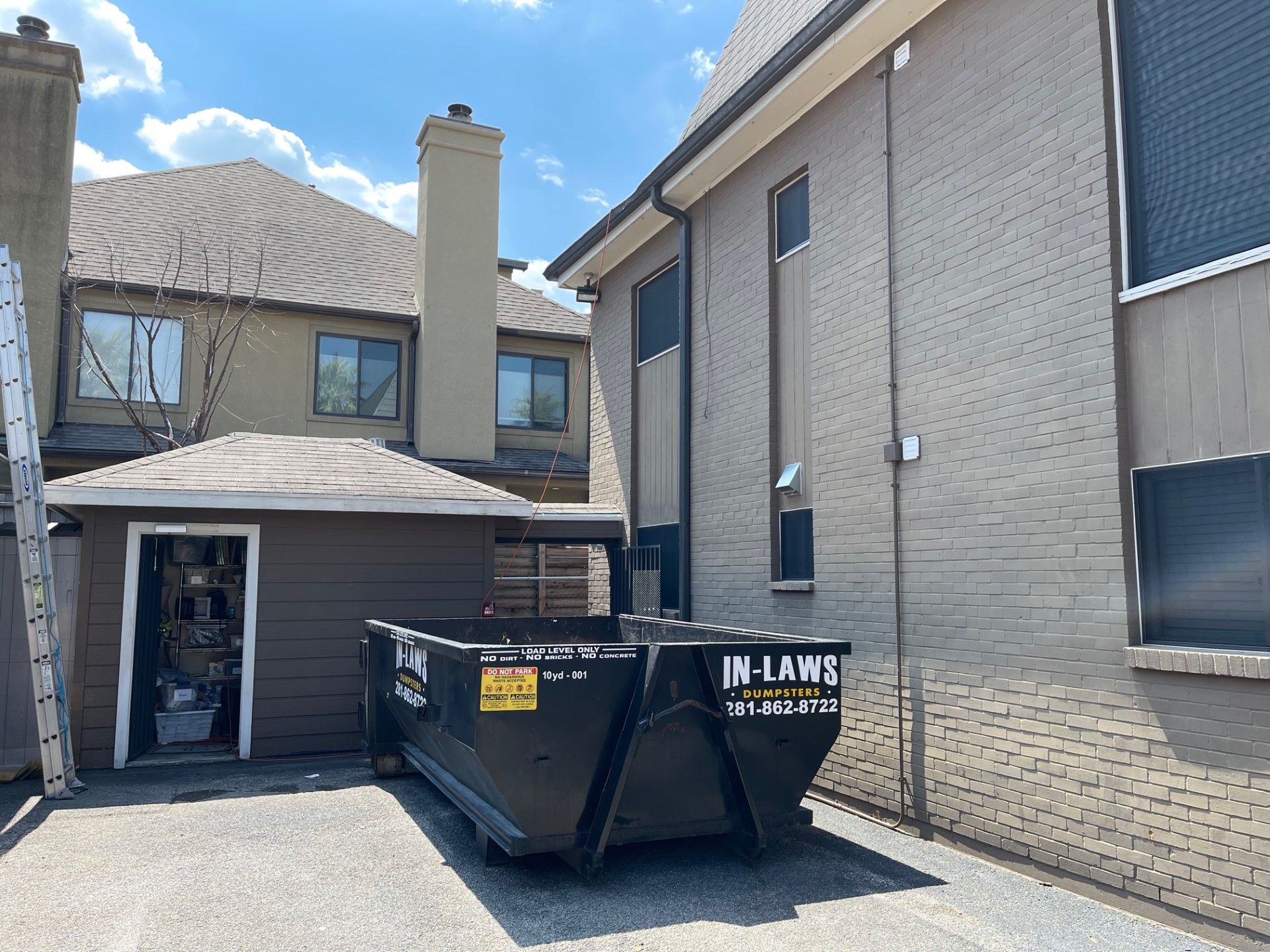
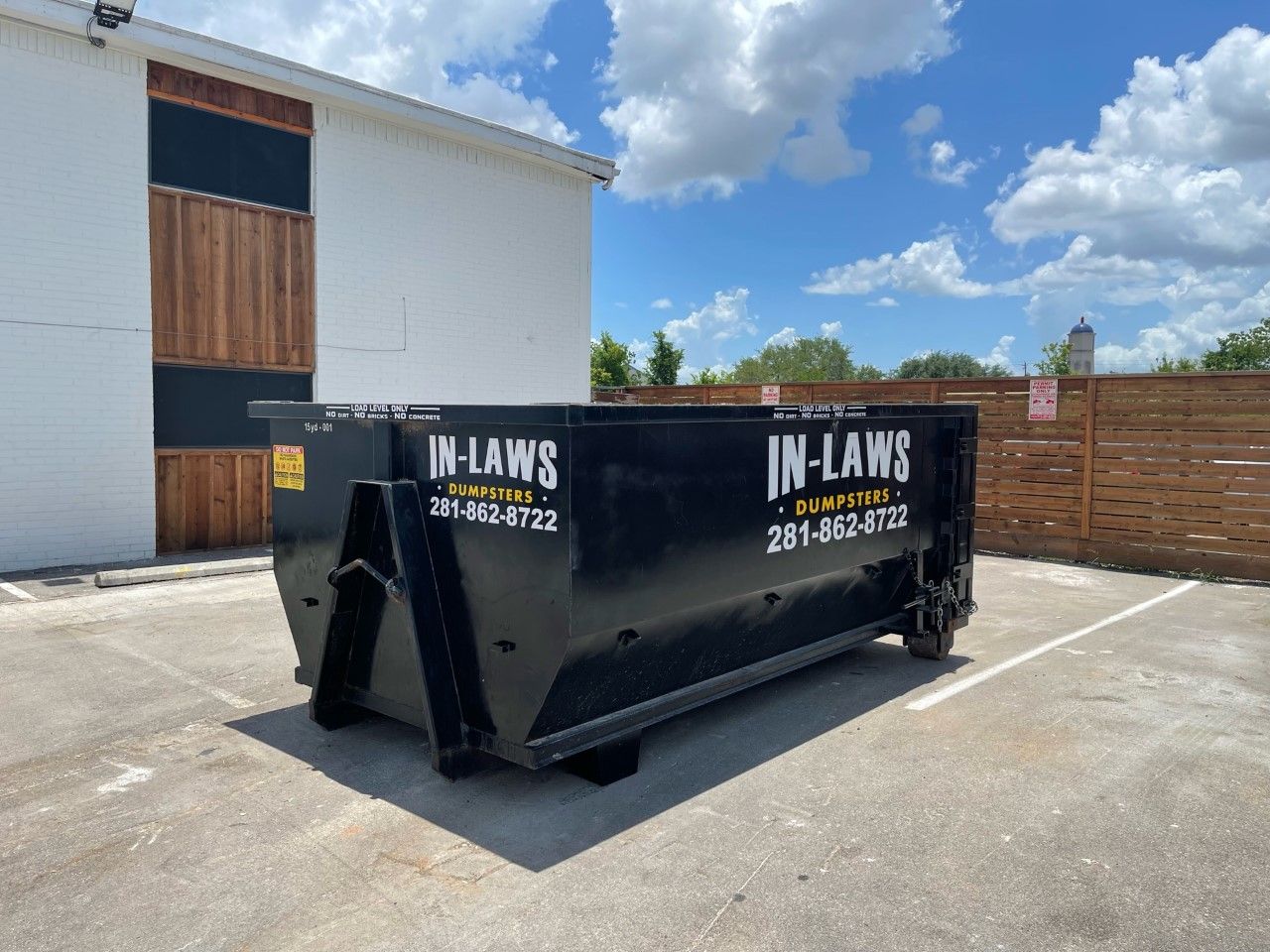
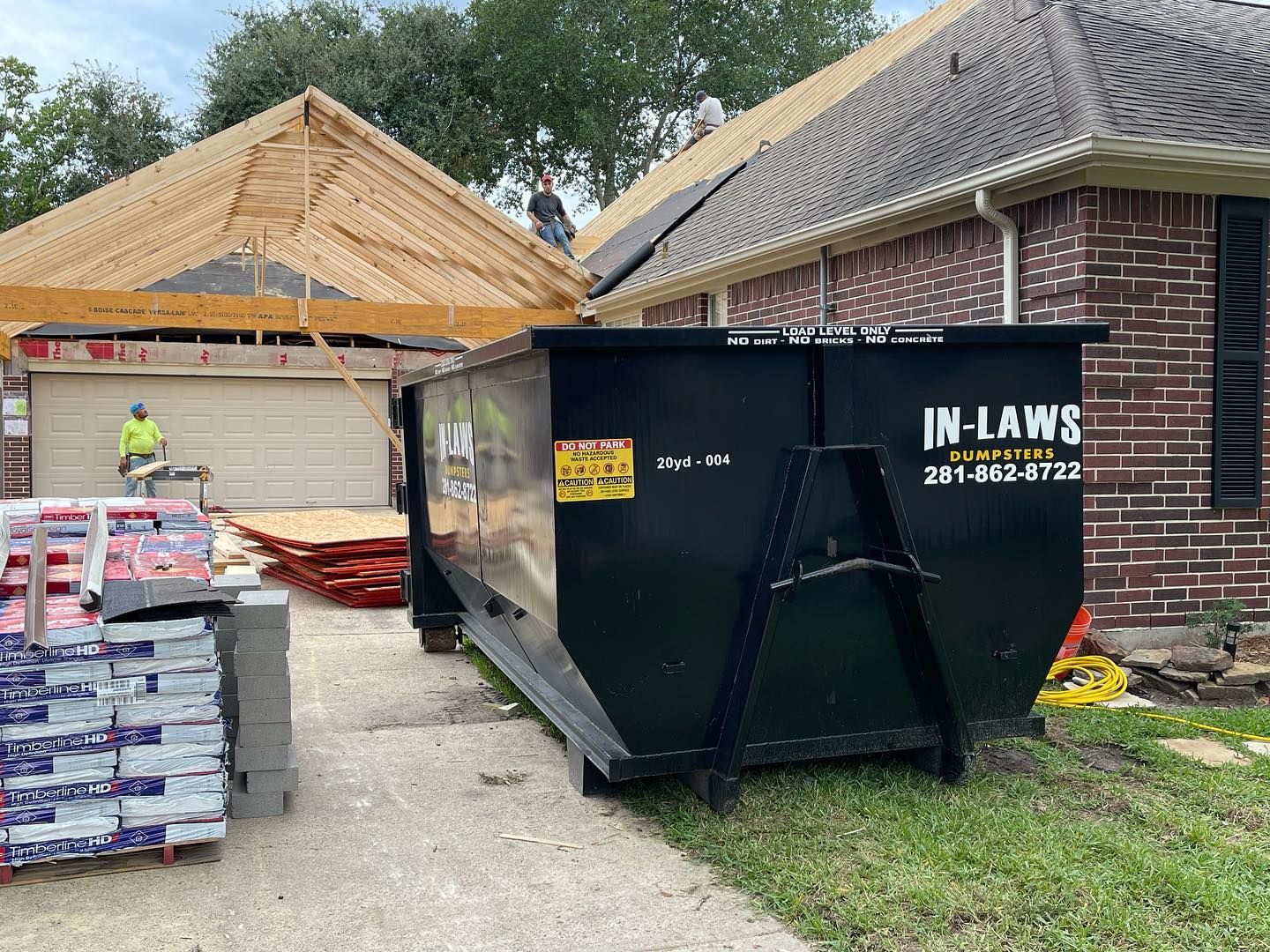
For most Houston homes, a fifteen yard or twenty yard dumpster is the best fit for a full kitchen remodel. These containers can hold upper and lower cabinets, old countertops, pieces of wall, and most or all of the floor. The final choice depends on how big the kitchen is, what the cabinets and counters are made of, and how many days the project will last.
Why A Clean Debris Plan Matters In A Houston Kitchen Tear Out
A kitchen remodel creates more waste than many people expect. You are not just filling a few trash bags. You are cutting loose long base cabinets, tall uppers, heavy tops, appliances, trim, drywall, and floor layers. Each item is awkward and often sharp, with nails, screws, and broken edges.
With a good dumpster rental Houston Texas homeowners and contractors can keep the work area open. Demo crews can move debris straight from the wall or floor into the bin. This reduces piles in the driveway, cuts down trips to a landfill, and lowers the chance of broken tile or fasteners left where people walk. A clear dumpster plan also makes it easier to stay under the weight limit, so you avoid surprise fees at the scale.
Knowing What Kitchen Debris Can Go In The Bin
Most kitchen demo debris can go into a standard construction dumpster. Common items include wood or MDF cabinets, laminate or stone counters, tile, vinyl, or wood flooring, drywall, and small amounts of metal and plastic from hardware and fixtures. These materials are normal construction and demolition waste.
Some items need special care. Appliances that use refrigerant, such as refrigerators and some coolers, often need to be drained and may carry an extra fee. Old paint, stains, strong cleaners, and solvents may belong at a household hazardous waste site instead of the dumpster. When you request local dumpster pricing, ask for a list of items that are not allowed or that have special charges, so your plan matches the real rules.
Sample Kitchen Demo Schedule For Houston Homes
Day One Protection And Light Removal
Day one is all about prep. Protect nearby rooms with plastic and tape. Cover floors in halls and rooms next to the kitchen. Turn off power to the area if needed. Remove doors, drawers, and simple trim first. These lighter pieces can go into the dumpster and help you see the real structure of the kitchen.
Starting with light debris keeps the early load easy to move and walk around. You can place small parts toward the front of the dumpster where they will not be crushed under counters and tile later. It also gives you time to confirm that the bin is in the best spot and that the work path feels safe.
Day Two Cabinets Counters And Heavy Pieces
On day two, focus on base cabinets, uppers, and counters. Take cabinets off the wall in sections you can carry. Break long countertops into safe pieces before you move them. Stone and solid surface tops should be lowered carefully to reduce cracks and chips that can become sharp.
Inside the dumpster, lay heavy pieces flat and spread them from side to side so weight stays even. Try not to stack all stone or tile in one corner. This day often fills a large part of the bin, so watch the height as you go. Keeping everything below the rim is important for safe hauling.
Day Three Floors Walls And Soffits
Day three is usually for flooring and any walls or soffits that need to come down. Tile and mortar are heavy, so it helps to put these pieces in layers across the bottom and middle of the dumpster rather than all at once in one pile. Wood or vinyl flooring can fill gaps and sit above heavier items.
If you are opening walls, place large drywall sections on top of the heavy layer. This keeps sharp edges away from the floor of the bin and leaves space for trim and small scraps later. This is also a good day to check how full the dumpster is and decide whether you need to plan for a swap.
Days Four Through Seven Touch Ups And Small Debris
The remaining days are for small pieces that appear as new cabinets and counters go in. Empty boxes, short scraps, small bits of drywall, and packing material can fill extra space in the dumpster. Try to keep this debris sorted so it does not block the door of the bin if you need to walk inside to rearrange a few items.
Plan pickup near the end of rough cleanup. That way the driveway opens back up in time for other trades, deliveries, or your own vehicles. A clear schedule like this lets you match your dumpster rental Houston Texas window to your contractor’s work plan.
Dumpster Size Guide For Houston Kitchen Projects
| Dumpster Size: | Best Use Cases In Houston Kitchens: | Pickup Load Match: |
|---|---|---|
| 10-yard dumpster | Very small galley or condo kitchens with wood cabinets and light tops, limited floor removal | Around four pickup loads |
| 15-yard dumpster | Average suburban kitchens with full sets of base and uppers, laminate counters, and mostly wood or vinyl floors | Around six pickup loads |
| 20-yard dumpster | Larger family kitchens with islands, stone or solid surface counters, and tile or wood floors across wide areas | Around eight pickup loads |
| 30-yard dumpster | First floor projects where the kitchen plus one nearby room are being opened and refloored at the same time | Around twelve pickup loads |
For many projects, the real choice is between a fifteen yard and a twenty-yard container. If your kitchen has stone counters or a large amount of tile, the twenty-yard size makes it easier to spread weight and stay inside the included tons.
How Houston Kitchen Dumpster Pricing Usually Works
Simple Cost Factors For Kitchen Remodel Containers
When you look at the price of the dumpster for a Houston kitchen remodel, you are paying for the container size, the included weight, the rental days, and the distance plus disposal fees. Most providers use flat rates by size that cover delivery, pickup, and disposal up to a weight cap. That cap is usually written in tons.
Because kitchen debris mixes light and heavy material, it is important to ask for all parts of the quote. You want to see the base price for each size, how many days are included, the tonnage cap, and the exact fee per extra ton. Then you can compare a fifteen-yard offer to a twenty-yard offer and decide which one fits your project better.
• If you believe you are close to the weight limit, pause and call your provider before you add more tile, stone, or concrete to the container
Cost Planning Example For A Houston Kitchen Demo Dumpster
How A Sample Budget Can Guide Your Size Choice
Exact prices change over time, yet a simple budget outline helps Houston homeowners and contractors see how costs line up.
• Base rate for a twenty-yard kitchen dumpster that includes one week on site and a weight cap in the range of two to three tons
• Taxes and standard disposal fees tied to local landfills or transfer stations used for mixed construction debris
• Possible per day charge if the rental needs to extend beyond the base period
• Possible weight overage fee if heavy tile, stone, or concrete push the total above the included tons
• Optional fees for appliances with refrigerant or for separate concrete loads if those are part of the project
A layout like this makes it easier to compare offers from different providers. The goal is not just the lowest starting number but the clearest match to what you plan to load.
Houston Kitchen Remodel Dumpster FAQs
Which dumpster size fits most standard Houston kitchens?
Many standard Houston kitchens work well with a fifteen yard dumpster, especially if cabinets are wood or MDF and floors are mostly wood or vinyl. This size can hold a full set of uppers and bases, plus counters and some flooring. If the kitchen has stone tops or large tile areas, a twenty yard container is often a safer choice for weight.
Can I share one kitchen remodel dumpster with another small project in the home?
You can share the container with another small project such as a closet or small bath, as long as the total debris stays inside the size and weight limits. It is important to think about this before you choose a size. If the extra project adds a lot of tile or heavy material, you may want a larger bin or a second one.
How early should the dumpster arrive before the kitchen demo starts?
It is smart to schedule the dumpster to arrive at least a few hours before demo begins. This gives time to confirm placement, adjust the spot if needed, and lay down any driveway protection boards. Once the bin is ready and open, crews can move straight into removal without waiting on a truck.
Where is the best spot to place a kitchen remodel dumpster at a Houston house?
The best spot is usually a flat section of the driveway close to the garage or main entry to the kitchen. This keeps walking paths short and makes it easier to move heavy pieces. The area should be clear of low wires, tree limbs, and parked cars so the truck can lift and roll the container safely.
What should I do with items that cannot go in my kitchen dumpster?
Set aside a small corner of the garage or yard for items that are not allowed in the bin. This might include paint cans, solvents, harsh cleaners, fuel containers, and some appliances. Then contact a local household hazardous waste site or special drop off service to handle them. This keeps your dumpster load clean and avoids trouble when it reaches the disposal site.
Kitchen Demo Summary For Houston Households
For most projects, the right dumpster rental Houston Texas homeowners choose for a kitchen remodel is a fifteen yard or twenty yard roll off. These sizes fit well in a driveway and hold cabinets, counters, flooring, and wall material without being too tall to load. When your plan includes stone counters or large tile sections, the larger size usually pays off by reducing weight fees.
A simple schedule that covers prep, cabinet and counter removal, floor and wall work, and final scraps keeps the bin on site just as long as you need it. When you also think through placement, special items, and loading order, your project stays cleaner and safer from start to finish.
Schedule Your Houston Kitchen Remodel Dumpster And Begin The Tear Out
When you are ready, book your kitchen remodel dumpster before the first cabinet comes off the wall. With the right container in place and a clear loading plan, you can focus on building the new kitchen while the old one leaves the driveway in one clean haul.