
Roofing Dumpster Rentals in Houston TX for Tear Offs
Roof tear offs remove far more than shingles. Every slope on the home has layers of materials that must come down before new shingles go up. Crews strip off old felt, nails, caps, drip edge, damaged decking, vent covers, and ridge lines. All of these pieces fall quickly during tear off and must land somewhere safe so no one slips, trips, or works around unstable piles. Roofing Dumpster Rentals in Houston TX for Tear Offs help control this flow of debris so the site stays steady and clean.
Houston roofs often face heat, humidity, and seasonal storms that wear shingles down faster. Many older roofs have two layers, heavy architectural shingles, or soaked underlayment from years of leaks. This increases the weight of debris and makes good dumpster planning even more important. When roofers choose the correct container, they protect both the job site and the homeowner’s driveway from damage and clutter.
Why Roofing Crews Depend On A Clear Dumpster Strategy
Roofers move fast. Tear off begins early, often before sunrise, and continues through the day while weather allows. If debris piles up, crews must stop, clear the ground, or move materials by hand. This slows the install and creates safety risks. A dumpster placed close to the house lets shingles slide directly into the container without long walks or scattered nails across the yard.
A smart dumpster plan also protects your budget. Shingle debris is heavy, and even a small roof produces thousands of pounds of waste. If you choose the wrong size or exceed weight limits, overage fees can climb fast. Construction guidelines show asphalt shingles often weigh two to four pounds per square foot. A home with around seventeen roofing squares can easily reach several thousand pounds. Matching the container to the projected weight keeps hauling safe and predictable.
How Roofing Dumpster Rentals Fit Into A Standard Tear Off Process
Most Houston roofing crews follow a simple order of tasks during tear off. Every step works better when the right container is on site.
Flow Of A Typical Houston Roof Tear Off
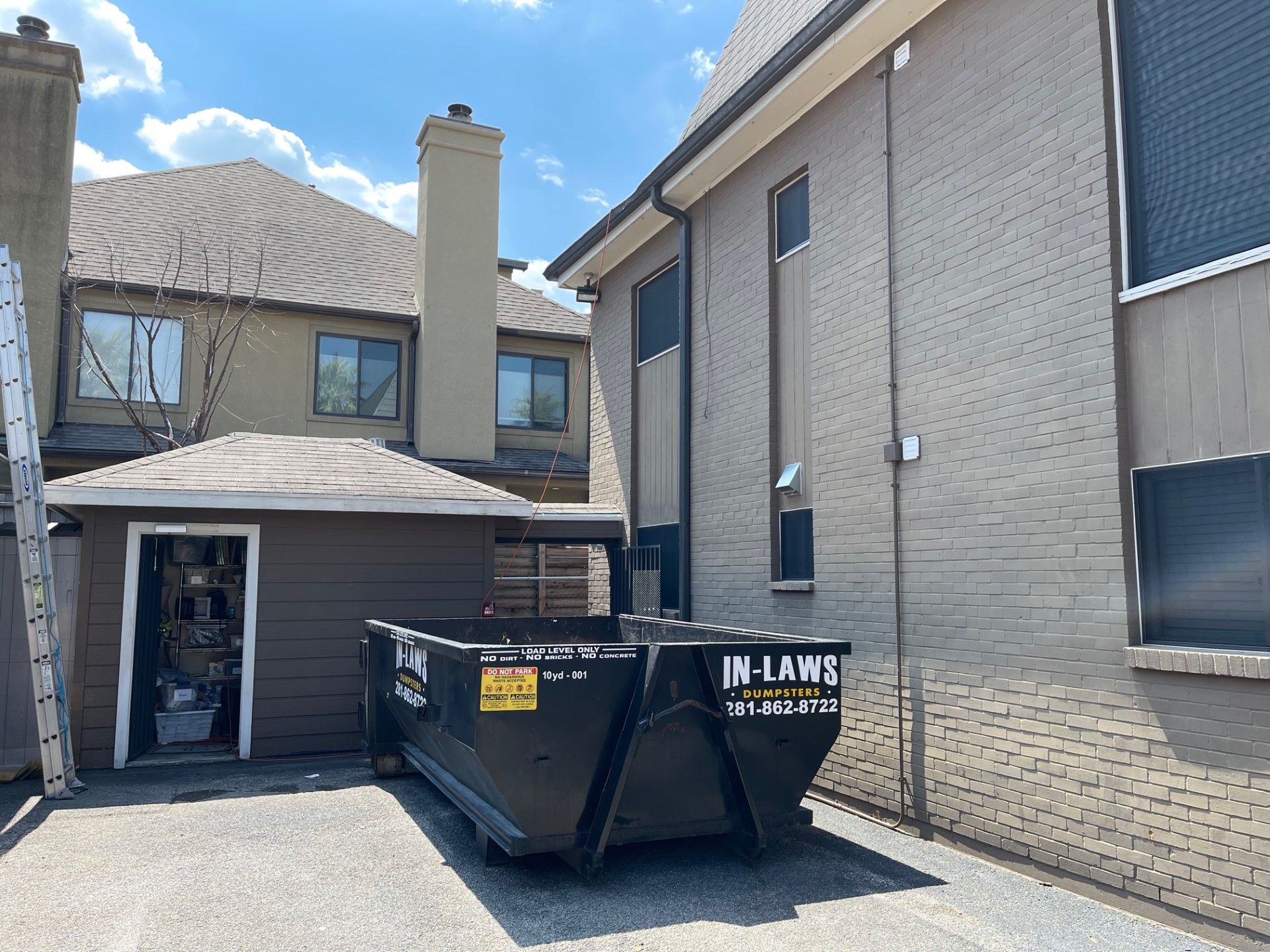
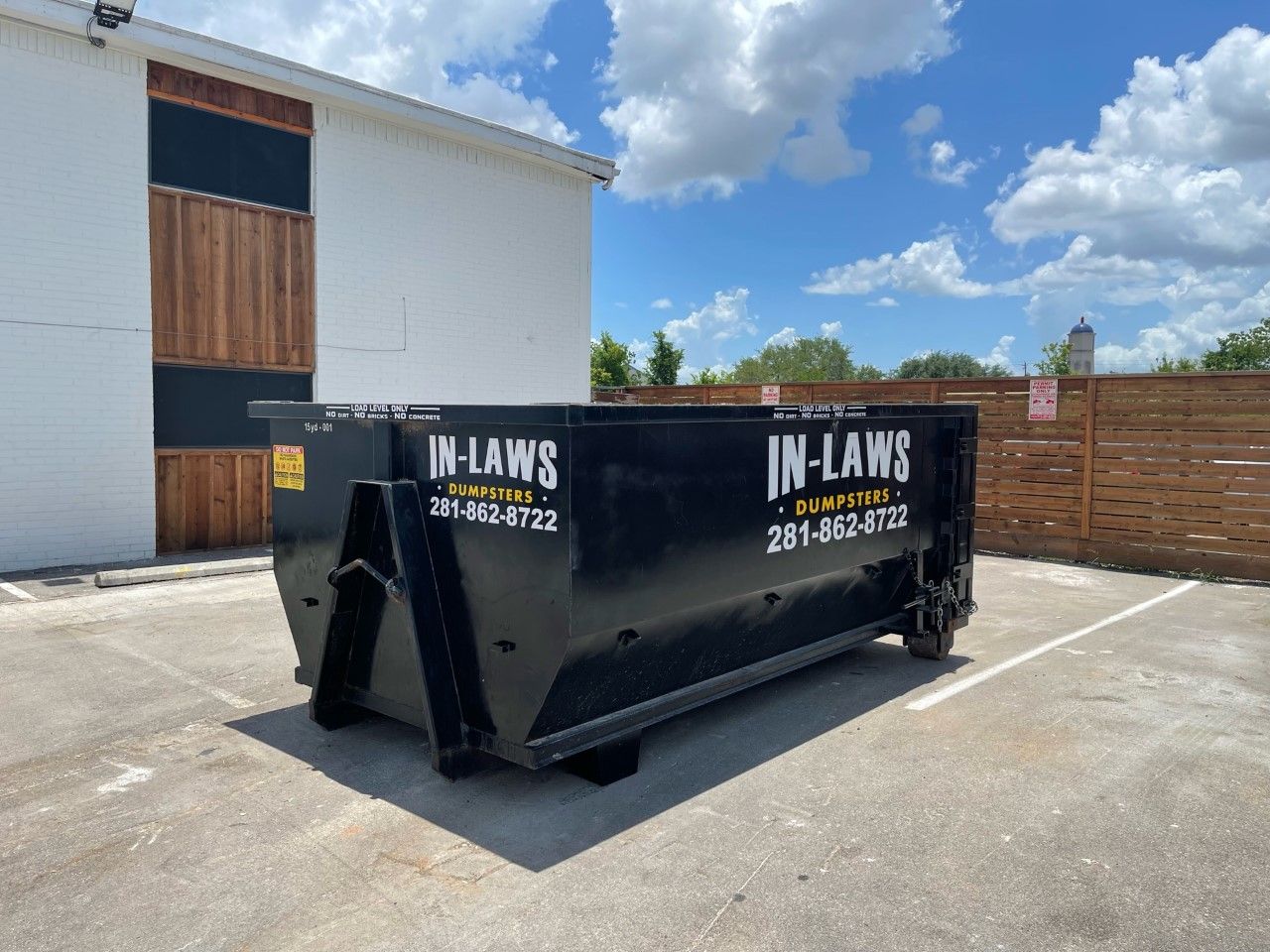
Roofers begin by measuring the roof in squares and checking how many layers must come up. A single layer is lighter, while multiple layers double the weight. Once the size and layers are known, the roofer picks a dumpster that safely holds the load. Many Houston homes fit well with a 10-yard, 15-yard, or 20-yard container because these sizes handle heavy shingle weight without exceeding limits.
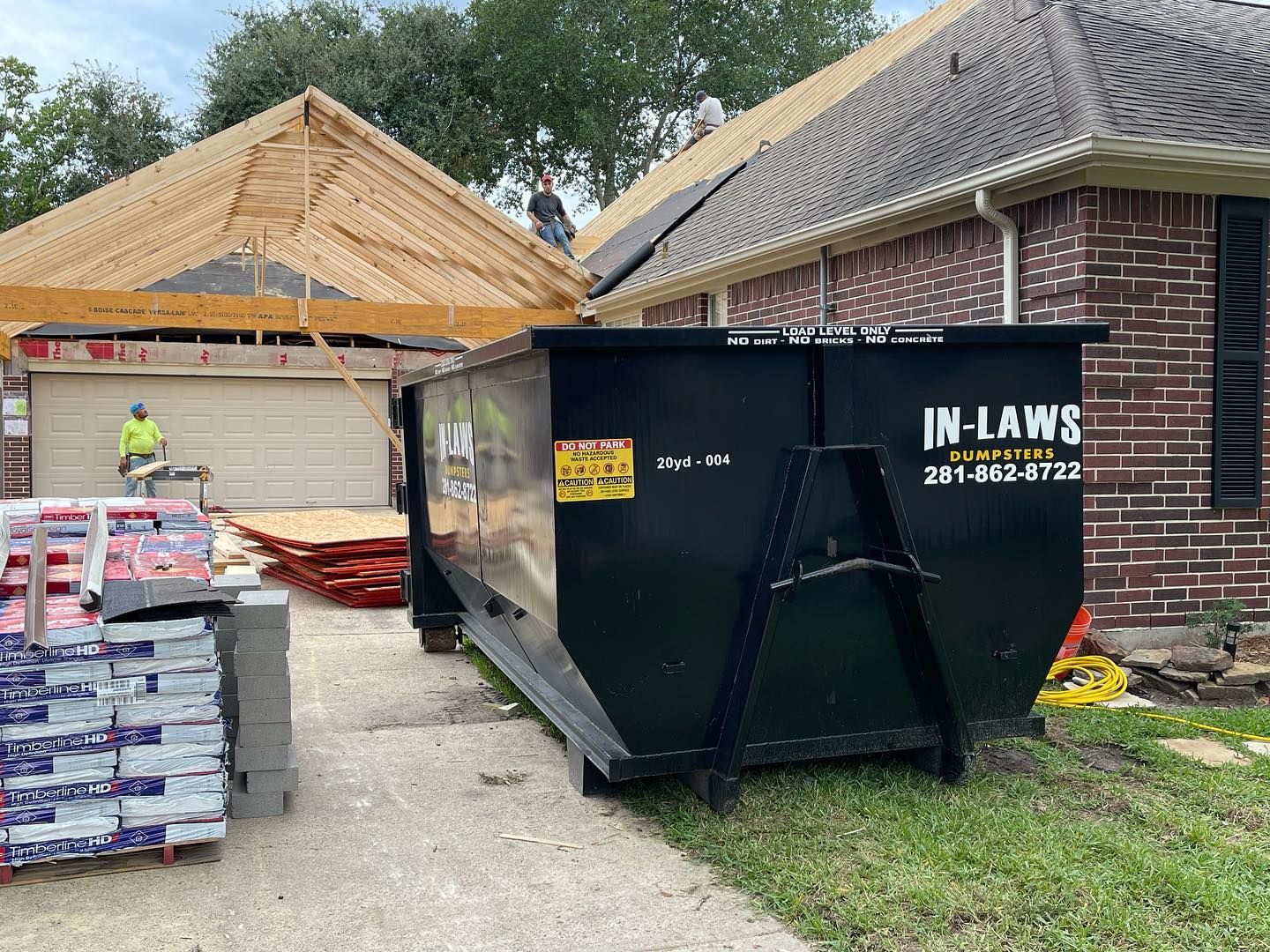
The hauler then places the bin under a clear roof edge so debris can fall straight down. Ground helpers rake loose shingles toward the bin and use magnetic sweepers to catch stray nails. When the container reaches its safe fill height, the driver picks it up and brings back an empty one if needed. This routine follows OSHA housekeeping expectations for keeping work areas free from debris.
Important Steps When Choosing A Roofing Dumpster In Houston
Roofing Dumpster Rentals in Houston TX for Tear Offs depend on accurate measurements. Roofers talk in squares, and each square equals one hundred square feet. Homes in many Houston neighborhoods fall in the fifteen to twenty-five square range. Larger homes, two story layouts, and complex roofs with hips and valleys can exceed thirty squares.
Understanding Roof Squares And How They Shape Dumpster Needs
The exact number of squares guides the size you choose. Roofers measure each slope and add the total square footage together. That total is divided by one hundred to estimate squares. Then they multiply by how many layers are present. A one-layer roof produces far less weight than a two-layer roof, so the difference changes your dumpster plan. Adding a little extra for waste helps cover tear off from valleys, starter rows, and ridge areas.
Houston roofs also vary in shape. Some are simple with straight lines, while others have many cut points. More cuts mean more waste. Planning a little above your estimated square count protects you from needing an emergency swap in the middle of tear off.
How The Weight Of Shingles Impacts Dumpster Choice
Shingle weight is the biggest factor in choosing your container. Three-tab shingles weigh less than thick architectural shingles. When these shingles soak from rain or humidity, they weigh even more. Many roofing guides show typical shingles weighing two hundred to three hundred pounds per square. Adding nails, felt, vents, and small decking pieces increases that weight.
Matching Your Shingle Load To A Dumpster That Can Handle It
Local haulers know the safe tonnage limits for each size. A 10-yard container might include one to two tons in the base rate. A 15 yard may include a bit more, and a 20 yard may carry even higher limits. Roofers should load heavy shingles evenly across the container and stop before reaching the roof line of the dumpster. Staying under the ton cap keeps hauling safe and avoids delays caused by overloaded bins.
Comparing Popular Roofing Dumpster Sizes In Houston
Roof tear offs in Houston usually fit well with 10-yard, 15-yard, or 20-yard dumpsters. These options handle shingle weight without becoming too tall to load or too heavy to pull.
Choosing The Right Size For Each Roofing Project
Roofers often choose a 10-yard box for small porches, garage tie ins, and compact homes. A 15-yard works for many average one story homes in neighborhoods like Pasadena, Baytown, and Crosby. Larger roofs, homes with steeper slopes, or jobs involving extra decking may need a 20-yard container. Thirty and forty yard dumpsters are not ideal for shingle loads because they fill heavy before they fill full, which risks unsafe hauling.
Planning Rental Length And Scheduling Swaps
Roofing projects move quickly when weather stays calm. Many Houston haulers offer short rental windows specifically for roofing so crews do not pay for unnecessary days. A good plan ties the rental length to the tear off day and any decking repair days.
How Timing Keeps Tear Off Crews On Schedule
Scheduling a swap ensures that if the first container fills early, an empty bin is already planned for later that day. Contractor accounts help roofers set repeat route times during busy storm seasons when dumpsters move faster. Consistent timing keeps crews focused on tear off and installation without waiting for a truck.
What Material Roofers Can And Cannot Load
Most roofing dumpsters in Houston accept standard roofing debris. This includes asphalt shingles, ridge caps, felt, synthetic underlayment, nails, drip edge, flashing, and damaged decking. These materials fall under construction and demolition debris and are allowed in private roll offs.
Items that are not allowed include liquid tar, large propane tanks, many electronics, and some treated wood types. City of Houston rules also outline what may sit curbside after storms, and they separate construction debris from household piles. Keeping roofing debris inside the dumpster and on private property prevents curbside issues.
Roofing Dumpster Size Guide For Houston Jobs
| Sizes: | Best Roofing Use: |
|---|---|
| 10-yard | Small roofs, porch sections, garage roofs, compact homes |
| 15-yard | Mant one story homes, moderate tear-offs, one layer shingle loads |
| 20-yard | Large homes, steeper slopes, heavy shingles, extra decking removal |
These numbers reflect common weight patterns for one layer asphalt shingles. When roofs have two layers, cut the recommended squares roughly in half because the weight doubles.
Local Houston Rules That Affect Roofing Dumpster Placement
Houston property rules shape how dumpsters can sit on driveways, near sidewalks, or on public streets. Roofing dumpsters placed entirely on private driveways usually do not need a city permit. If the container blocks a sidewalk, sits in a street lane, or touches public right of way, city approval may be needed.
How To Stay Compliant During Roof Tear Offs
Keeping the dumpster inside the property line protects drains, sidewalks, and traffic. Roofers should also avoid placing the container near flood flow paths, since Houston rain can move debris quickly. Checking the City of Houston solid waste guidelines helps roofers match their tear off plans with local expectations for construction debris storage and disposal.
How Pricing And Weight Limits Affect Roofing Dumpster Costs
Most local dumpster pricing includes a base rate for the container, delivery, pickup, and a set tonnage amount. Roofing debris reaches these ton caps faster than most home projects. When a load crosses the included tonnage, overage charges apply. These fees vary by hauler and landfill.
Simple Steps To Keep Roofing Dumpster Costs Under Control
• Calculate shingle weight before booking
• Choose the correct dumpster size for roof squares and layers
• Keep heavy debris in one container instead of mixing in other materials
• Split two-layer roofs into two loads when needed
• Ask for clear written pricing for extra tons and extra days
Following these steps ensures that your dumpster cost stays close to your roofing bid and avoids surprise charges at the landfill scale.
Quick Roofing Dumpster Guide For Fast Job Planning
Roofers often need simple reminders they can check quickly before each job. This section provides an easy planning snapshot.
Roof Tear Off Reference Points For Houston Crews
• Ten-yard dumpsters hold around ten to fifteen squares of one layer shingles
• Fifteen-yard dumpsters handle around fifteen to twenty-two squares
• Twenty-yard dumpsters support around twenty-two to thirty squares
• Two-layer tear offs require reducing square count for each size
• Heavy architectural shingles increase weight per square
Use these notes during bidding so you choose the correct container from the start.
Common Mistakes Roofers Make With Roofing Dumpsters
Houston roofers work fast, and small mistakes can slow down a job or increase cost. Many problems arise from incorrect placement, overloading, or poor weight planning.
How To Avoid Delays And Extra Costs On Houston Tear Offs
Roofers sometimes plan based on how big a container looks rather than how heavy shingles are. Tall dumpsters like 30 yard or 40 yard containers may hold a lot of space, yet they exceed weight limits long before they appear full. Moisture, leaks, and two layers add even more weight. A proper check of roof layers and shingle type prevents these issues.
Placement also matters. If the dumpster sits far from the eaves, debris spreads across the yard. Nails end up in grass and driveways. Placing the container close to the structure keeps shingles contained and reduces cleanup time. Using tarps and magnetic sweepers keeps nails off walk paths and follows safe housekeeping expectations.
Houston Weather And Lot Layouts That Influence Dumpster Choice
Houston weather shifts quickly. Heat softens shingles, storms drop heavy rain, and clay soil stays slick after moisture. These conditions affect how roofing dumpsters should sit on site. Driveway placement is usually safest because it offers stable ground for the container.
Tips That Make Roofing Dumpster Use Easier For Houston Crews
Starting early gives crews cooler hours to strip shingles before afternoon heat makes them stick. Using plywood under the wheels protects the driveway and keeps the container steady. Tight lots inside Loop areas may need smaller dumpsters with more frequent swaps. Checking traffic routes and local street widths helps ensure the truck can reach the job without trouble.
FAQs About Roofing Dumpster Rentals In Houston TX For Tear Offs
Can a ten-yard dumpster handle a mix of shingles and rotten decking?
A ten yard container can hold a small amount of decking along with shingles as long as weight limits are not exceeded. Roofers should load shingles first and spread heavier pieces across the floor of the dumpster. If you expect large sections of decking, consider a fifteen yard container so the load stays safe.
How do I know when the roofing dumpster is full?
Most roofers watch the fill line and stop when debris reaches the top rail. Shingles become heavy quickly, so you should also check weight estimates through your hauler. If the bin feels close to the ton cap, schedule a pickup before continuing.
Are roofing dumpsters allowed on narrow Houston driveways?
Yes, many roofing dumpsters fit on narrow driveways commonly found in older Houston neighborhoods. Ten-yard and fifteen yard containers are shorter and work well with tight spaces. Placing plywood under the wheels keeps the driveway protected even when space is limited.
Can I use one dumpster for a large roof with two layers?
Most two layer tear offs need more than one container. Doubling the shingle weight per square makes a single load too heavy for safe hauling. Splitting the job into two loads keeps the project safe and prevents overage fees.
What is the safest place to put the dumpster during a roof tear off?
The safest location is usually the driveway near a clean roof edge. This lets shingles slide directly into the dumpster and reduces the number of nails that fall into the yard. It also keeps the container off soft soil and helps trucks reach it for pickup.
Best Way To Plan Roofing Dumpster Rentals In Houston TX For Tear Offs
Roof tear off work becomes much smoother when you prepare your dumpster plan before the crew arrives. Measuring your roof in squares, checking layers, estimating total weight, and choosing a dumpster that matches both size and load makes the job easier. Placing the container close to the structure keeps debris contained and reduces cleanup time. Keeping to local rules helps avoid problems with city guidelines and placement restrictions.
A strong plan does more than control debris. It speeds up installation, reduces risk of injury, and helps crews finish with fewer delays. Roofing Dumpster Rentals in Houston TX for Tear Offs give you the space, safety, and steady flow needed to complete the job with confidence.
Book Your Roofing Dumpster Online Houston TX Today
Roofing work in Houston goes faster when dumpsters match the size of the roof and the pace of the crew. If you want clean driveways, controlled debris flow, and easy text to schedule swaps, reach out to a Houston provider that knows roofing loads well. Pick the size that fits your roof, set your rental window, and plan your tear off with confidence.
Book your roofing dumpster rental Houston Texas today and keep shingles, nails, and debris under control from start to finish.