
Deck Removal Dumpster Rental: A Houston Homeowner’s Guide to Removal and Rebuilding
Deck Removal Dumpster Rental in Houston: Plan Your Cleanup and Rebuild
The new deck is easy to picture. There’s room for the grill, a shaded spot for morning coffee, and enough seating that nobody has to bring a folding chair outside. The old deck is another story. Before the new boards arrive, the weathered lumber, loose railing, and whatever is hiding underneath have to go somewhere.
That’s where planning makes a difference. A deck removal dumpster rental gives the project a designated place for approved debris, but the right setup involves more than choosing a container. You also need to consider what you’re removing, how you’ll move it out of the backyard, and whether the dumpster should stay through the rebuild.
At In-Laws Services, we offer 10-yard, 15-yard, and 20-yard dumpsters for residential projects throughout Houston and surrounding communities. This guide walks through the disposal side of removing and rebuilding a deck, whether you’re handling the work yourself or coordinating with a contractor.
Start With the Whole Project, Not Just the Deck Boards
A deck can look fairly small when you’re standing on it. Once it comes apart, you’re dealing with more than its walking surface.
Depending on the structure, removal may include decking, joists, posts, stairs, railings, lattice, and built-in benches. A pergola or attached privacy screen adds another layer. Meanwhile, the rebuild may produce lumber offcuts, packaging, and additional material that wasn’t part of the original cleanup plan.
Before reserving a dumpster, decide where the project begins and ends.
Are you replacing only the surface boards? Removing the entire structure? Keeping the existing footings? Changing the deck’s footprint? Those decisions shape the disposal plan.
Replacing Surface Boards
A surface-only replacement has a different scope from a complete teardown. Tell us whether the existing framing, stairs, and railing will remain.
However, don’t treat “we’re keeping the frame” as a final decision until a qualified professional has assessed its condition. Our role is to help plan the dumpster rental, not determine whether an existing deck can safely support the rebuild.
Removing the Entire Deck
A complete removal needs a fuller description. Include the approximate length and width, height above the ground, number of stairs, and any attached features.
Photographs can help explain the layout. A wide view of the deck and another showing the path to the driveway give us more useful context than “it’s a medium-sized deck.”
Removing and Rebuilding in One Project
If construction follows immediately after demolition, consider both phases when discussing the rental period. You may want the container available for approved construction scraps after the old structure is gone.
On the other hand, keeping a nearly full dumpster through a long rebuilding schedule may not make sense. Discuss the expected sequence with us before choosing the rental length.
What Houston Properties Bring to the Planning Process
Houston-area deck projects don’t all come with the same backyard access. A deck behind an older bungalow presents a different disposal route from one behind a single-story ranch home or a townhome with a compact outdoor space.
Rather than matching the rental only to the house type, look at how the property actually works.
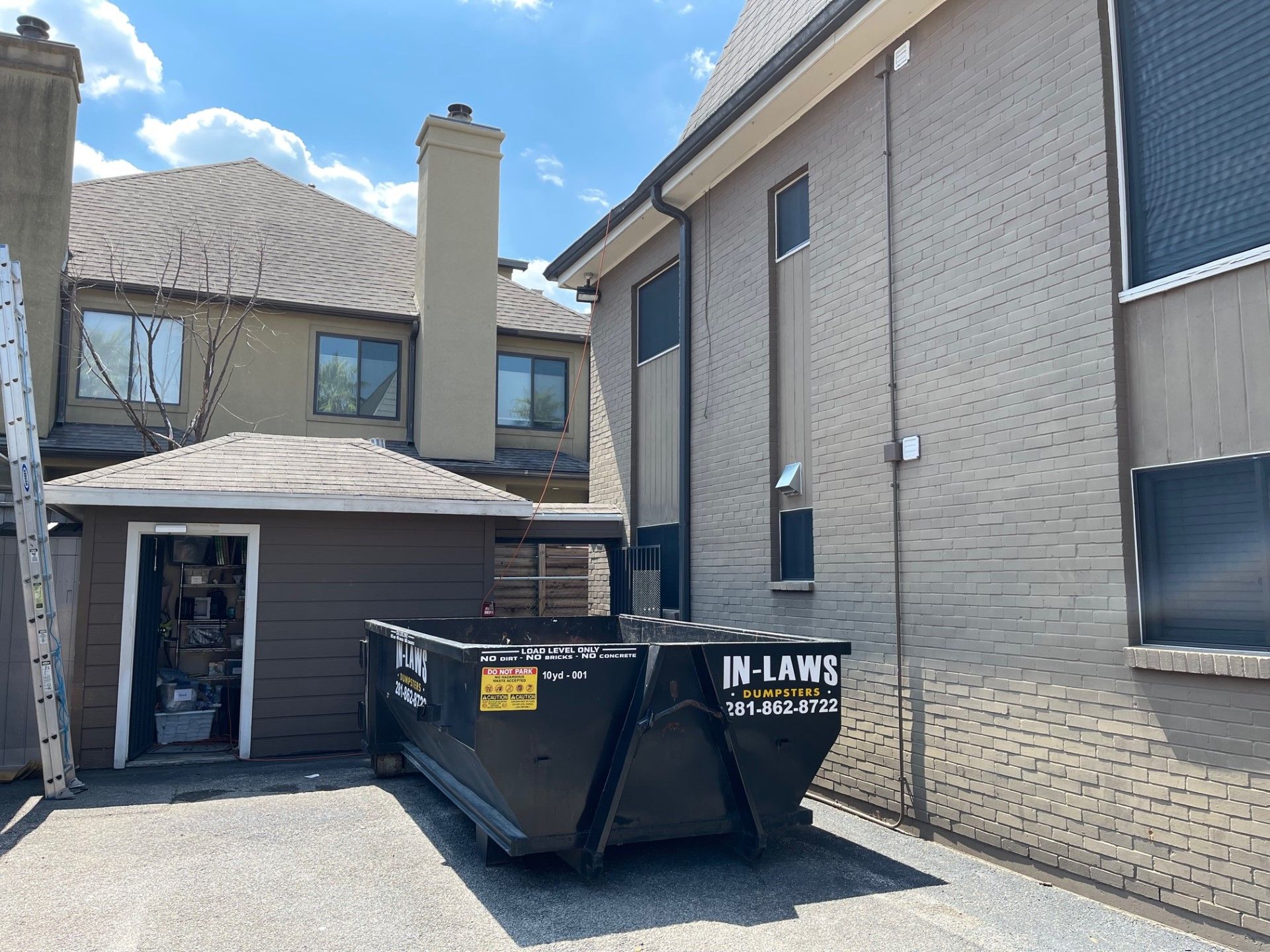
At a bungalow, the route might run beside the house through a narrow gate. At a ranch-style home, a longer side yard may offer more room but require more carrying. At a townhome, shared access and limited parking may determine where delivery is possible.
Houston’s mix of historic neighborhoods and newer housing makes those property-specific details important. The city also reviews certain alterations and demolition affecting designated historic properties, so homeowners should check applicable preservation requirements before changing a protected structure or site.
Think Beyond the Backyard
Walk the route from the deck to the proposed dumpster location before work begins.
Look for gates, steps, air-conditioning equipment, low branches, and anything else that narrows the path. Consider where children and pets normally enter the yard. If the deck serves a back door, plan another safe entrance while the structure is unavailable.
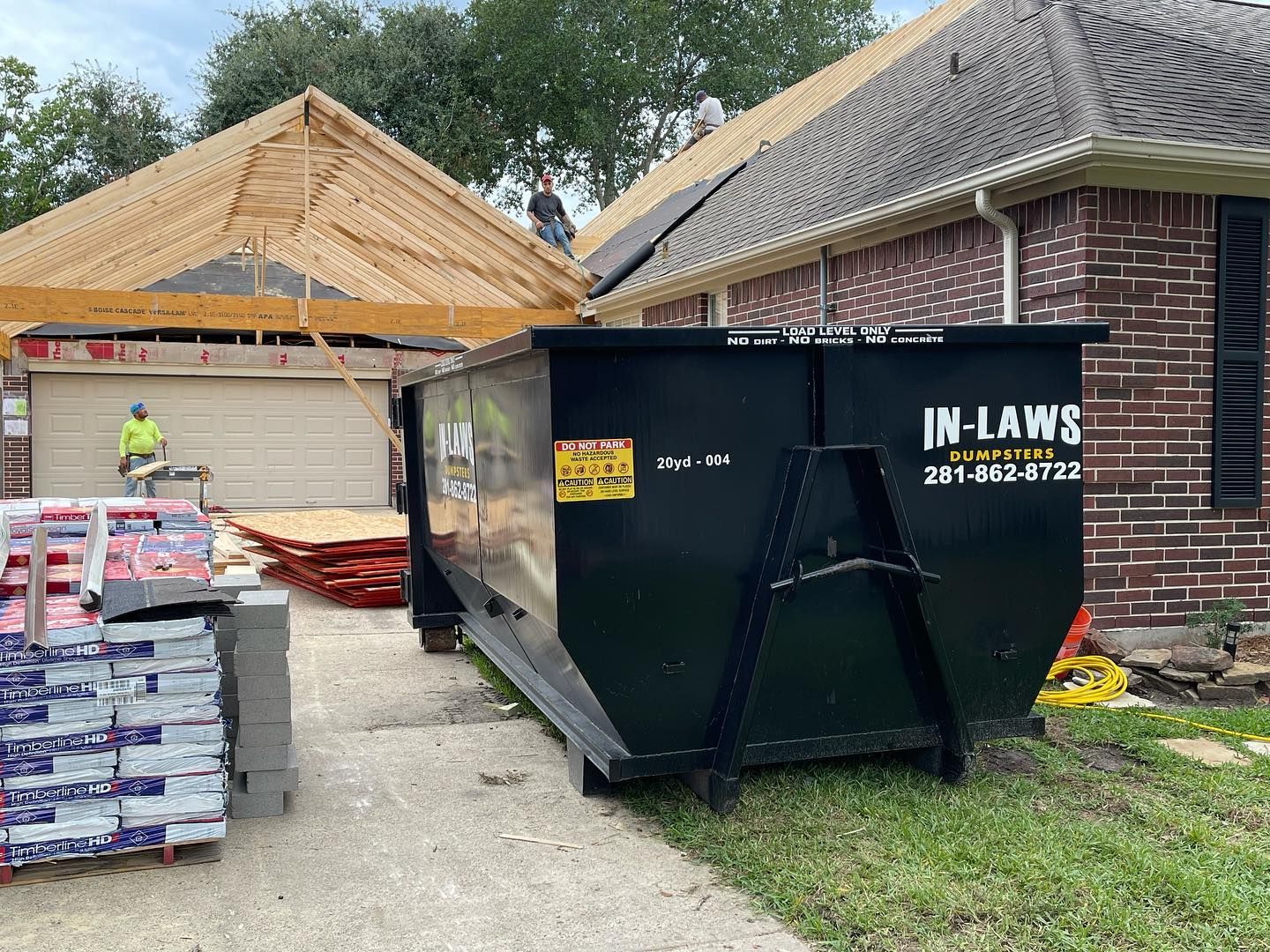
Also think about the driveway. A container placed conveniently for demolition could block the garage, the contractor’s trailer, or the spot needed for a lumber delivery.
A workable placement serves the entire project, not just the first load of debris.
Consider the Neighborhood Around You
Houston neighborhoods are places where people walk dogs, push strollers, park near their homes, and head out early for work. Your project needs to function alongside that routine.
Keep sidewalks and shared access routes clear. Discuss delivery arrangements where parking is tight. If you live in a community with an association, check its rules for temporary containers, exterior work, and delivery hours.
A quick conversation before the project starts is easier than moving plans around after the dumpster arrives.
Choosing a Dumpster for Deck Removal
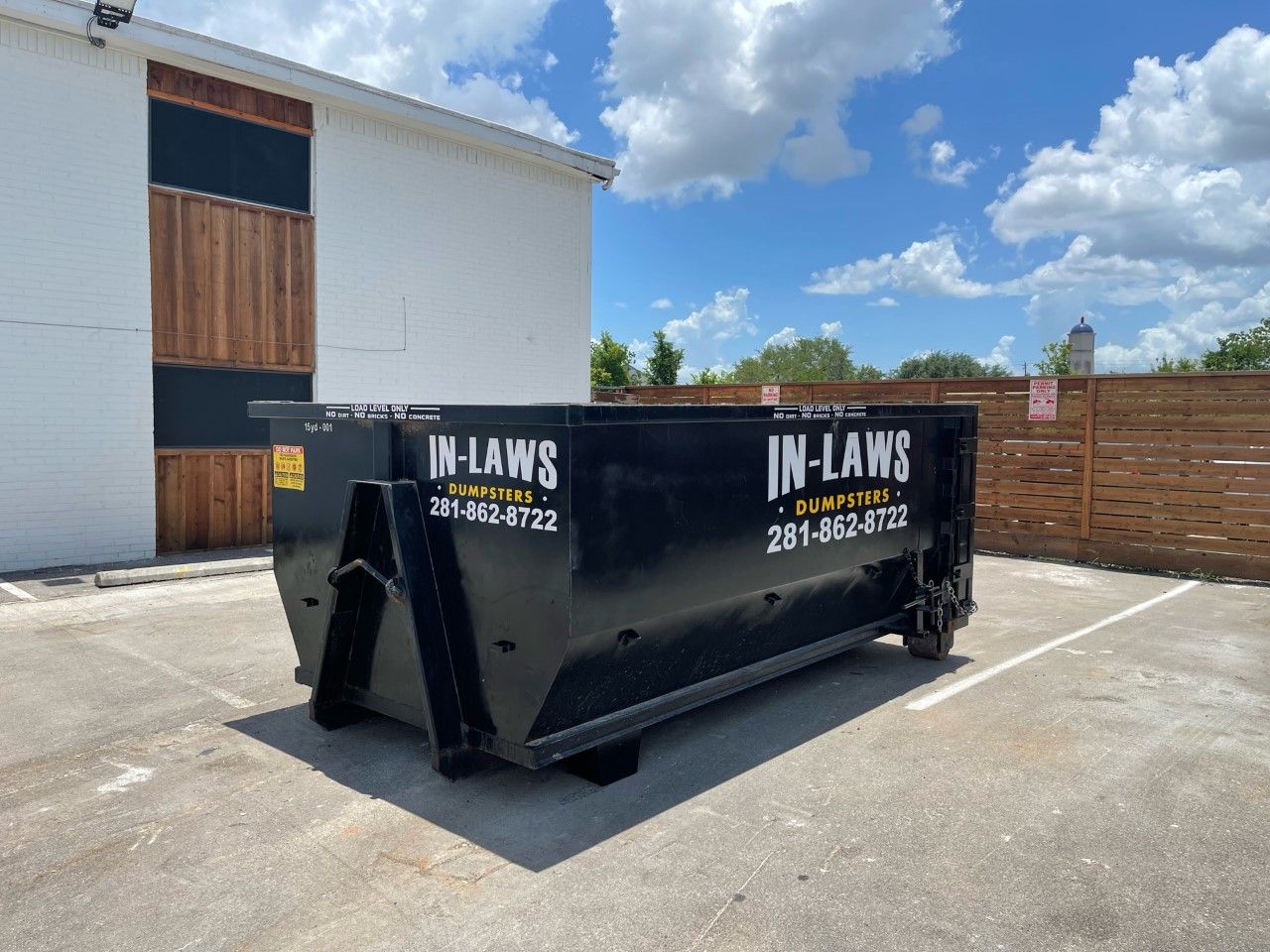
We offer 10-, 15-, and 20-yard containers. Our demolition rental page identifies a 15-yard dumpster as a typical option for a mid-size deck, but that is a starting point rather than a promise that every deck of a certain footprint will fit.
Deck size matters, but so do the materials, framing, railings, stairs, and any other waste sharing the container.
When a 10-Yard Dumpster May Be Worth Discussing
A smaller deck project or limited board replacement may justify discussing a 10-yard container.
Be clear about what remains in place. A project that removes only the walking surface differs from one that includes the frame and stairs, even when both decks cover the same area.
Don’t choose the smallest container simply because the deck looks compact. Describe the full removal scope first.
Why a 15-Yard Dumpster May Suit a Mid-Size Project
Our 15-yard option is a common starting point for discussing mid-size deck removal. It offers more volume than the 10-yard without moving to our largest container.
Still, tell us about built-in seating, tall railings, privacy panels, and multiple stair sections. Those features belong in the estimate.
If you’re rebuilding immediately, mention the expected construction scraps too. They should not become an afterthought once demolition fills the container.
When to Discuss a 20-Yard Dumpster
A larger deck, more extensive framing, or a project with several approved debris sources may call for discussing our 20-yard dumpster.
It is our largest available container, but additional volume does not mean unlimited loading weight. Confirm the included weight allowance, loading restrictions, and any applicable charges in your rental agreement.
We don’t recommend choosing a dumpster from a universal square-footage formula. Two decks with the same footprint can produce different loads.
What Can Go in a Deck Removal Dumpster?
Our demolition rental information lists decking, fencing, framing lumber, and trim among accepted materials. It also specifically excludes concrete, brick, dirt, hazardous materials, and flammable substances.
That distinction is especially important when the project reaches the deck’s supports.
Discuss the Deck Materials Before Loading
Tell us whether the deck contains wood, composite boards, metal railings, or a combination of materials. Identify anything you’re unsure about before removal starts.
Don’t assume that approval for ordinary decking automatically covers every material attached to or stored beneath the deck. A container reserved for deck debris should not become a catch-all for forgotten backyard items.
If you’re replacing outdoor furniture at the same time, mention it during booking rather than adding it without confirmation.
Keep Concrete Footings Separate
Concrete cannot go in our demolition dumpsters. That includes concrete attached to removed posts, broken footings, and pieces from a nearby patio. Brick and dirt are also prohibited.
Before work starts, ask the contractor whether the footings will remain or come out. If they’re being removed, arrange a separate disposal plan for that material.
This is one of the most useful questions in the entire project. A pile of wood and a pile of concrete need different handling under our rental rules.
Set Aside Chemicals and Flammable Items
Old stain, paint, household chemicals, gasoline, and propane tanks do not belong in the dumpster. Our published restrictions exclude hazardous materials and flammable substances.
Clear those items from the work area before demolition. Don’t leave containers underneath the deck or beside the loading route where someone might mistake them for project waste.
When a material’s identity or condition raises questions, stop and ask before loading it.
Schedule Delivery Around the Work
The best time for a deck removal dumpster rental depends on when debris will actually start coming out.
If a contractor plans to begin Monday morning, a delivery arranged only after teardown begins leaves you with an unnecessary staging problem. If you’re working around weekends, you need a rental period that reflects your realistic pace.
Our published standard options include three-day and seven-day rentals. Confirm availability, delivery arrangements, and any extension terms when booking.
Have the Disposal Plan Ready Before Demolition
Confirm the removal date, proposed container location, accepted materials, and responsibility for loading.
If permits, association approval, or contractor scheduling remain unsettled, account for those uncertainties before locking in the project sequence.
The goal is simple: have a place for approved debris when removal begins, without paying to hold a container through avoidable delays.
Leave Room for Changes
A deck rebuild can change after the old boards come off. The contractor may revise the framing plan or determine that more material needs replacement.
Don’t build the rental schedule around a best-case afternoon if the actual project spans several workdays. At the same time, don’t assume you need to keep the dumpster until the final railing detail is complete.
Identify the demolition window and the main debris-producing portion of the rebuild. Then discuss the rental around those phases.
Plan for Houston Heat and Rain
Houston sits on the coastal plain, and its Gulf-influenced climate brings hot summers and rainfall throughout the year. National Weather Service normals for Houston Intercontinental show average annual precipitation of about 52 inches.
For a deck project, that means weather belongs in the schedule from the beginning.
A dry forecast does not replace a backup plan. Consider how rain could affect the carrying route, where workers can pause safely, and whether delivery access will remain suitable.
Don’t Assume the Lawn Is a Delivery Surface
A backyard may look spacious while offering no practical access for the delivery vehicle. Wet or soft ground adds another concern.
Discuss the actual placement surface with us. Don’t plan on having the truck cross the lawn or position the dumpster beside the deck unless we have reviewed and approved the arrangement.
Keep the proposed access area clear of vehicles, materials, and equipment.
Match the Workday to Conditions
For DIY work, allow time for breaks and avoid turning the rental deadline into a reason to rush in extreme heat or unsafe weather.
Contractor-led projects need the same scheduling flexibility. If weather changes the work sequence, contact us promptly about your rental rather than waiting until the scheduled pickup.
A container helps manage debris. It should not dictate an unsafe work pace.
DIY Removal: Keep the Focus on Disposal, Not Speed
If you’re handling the removal yourself, plan the cleanup route as carefully as the work area.
We can discuss the container and approved debris, but dumpster rental does not include a structural assessment or demolition instructions. Elevated decks, uncertain framing, connections to the house, and nearby utilities require appropriate professional evaluation.
Before starting, decide how you’ll keep household traffic away from the project and where materials will go as they leave the structure.
Prepare a Separate Staging Area
Keep materials you intend to reuse apart from debris. The same applies to hardware, tools, and new building supplies.
Once everything lands in one pile, sorting becomes another job. Clear separation also helps prevent a usable item from being loaded accidentally.
Avoid placing debris where it blocks doors, gates, or the route to the dumpster.
Don’t Let the Dumpster Become the Work Platform
Load from an appropriate position on the ground. Don’t climb the container walls, stand on unstable debris, or use the dumpster as a substitute for proper equipment.
Arrange manageable pieces within the container rather than balancing long sections over its sides. If breaking down material is necessary, leave that task to someone equipped to do it safely.
Stop before the load extends above the container’s permitted fill level.
Hiring a Contractor: Decide Who Handles Disposal
A homeowner can hire a deck builder and still remain responsible for the dumpster. Another contractor may include removal and disposal in the project price.
Neither arrangement should remain an assumption.
Before work begins, ask who reserves the container, who approves the location, who loads it, and who requests pickup.
Put the Rental Responsibility in Writing
Your agreement should make the disposal scope clear.
Useful questions include:
- Does the quoted work include complete deck removal?
- Who pays the dumpster rental charges?
- Who handles additional weight or rental days?
- Will the contractor remove concrete footings?
- Does final cleanup include the rebuild scraps?
- Who contacts us if the schedule changes?
These questions help avoid duplicate bookings and gaps between the demolition work and debris removal.
Give Everyone the Same Schedule
If you arrange the dumpster, share the confirmed delivery window and loading rules with the contractor.
If the contractor arranges it, make sure you understand where the container will sit and how long it is expected to remain.
One person should serve as the main contact for rental changes. That keeps conflicting instructions from reaching us during a busy project.
Load With the Rebuild in Mind
A deck removal container can fill unevenly when large sections leave open pockets between them. Our demolition guidance recommends breaking materials down so they fit more efficiently and keeping the load level with the top rail.
For this project, the point isn’t to repeat a general loading lesson. It’s to preserve usable space without creating an unstable or unacceptable load.
Keep Long Pieces Within the Container
Don’t leave boards, rails, or framing projecting beyond the container. Plan for pieces that fit within its dimensions.
Spread the load rather than building one tall mound. Keep loading access clear as material accumulates.
If the container appears likely to fill before demolition ends, contact us before adding debris above the allowable level. We can discuss available next steps.
Don’t Store New Materials Against the Dumpster
New decking, railing kits, and other supplies need their own staging location.
Leave the container accessible for loading and pickup. Don’t stack lumber in the space the truck needs or surround the dumpster with material that must later be moved.
That becomes particularly important when a delivery arrives between demolition and rebuilding.
Understand the Rental Cost Before Booking
A useful deck disposal budget includes more than container size.
Rental length, included disposal weight, delivery location, and additional charges can all affect the total. Our published pricing also identifies fees for extra rental days and weight beyond the included allowance. Confirm the current terms for your specific booking.
Ask What the Quote Includes
Before reserving, confirm:
The container size.
- The rental period and pickup arrangements.
- The included disposal weight.
- Charges for additional weight.
- Extension terms.
- Delivery charges for your address.
- Rules for prohibited materials and overfilled loads.
A clear quote helps you compare the actual service rather than just a starting price.
Confirm Service for Your Address
We serve Houston and surrounding communities, including Channelview, Crosby, Highlands, Baytown, Pasadena, Deer Park, La Porte, Humble, Atascocita, and other nearby areas.
Our website notes that distance-related charges may apply outside the regular service area. Give us the project address when requesting a quote so we can confirm service and pricing for that location.
Check Placement Rules Separately From Rebuilding Requirements
The dumpster and the replacement deck raise different approval questions.
For the container, check requirements that apply to its exact location, particularly if any portion would occupy a public street or right-of-way. Public placement commonly involves local permission, and requirements vary by jurisdiction. Don’t assume one Houston-area city’s rules apply in another.
For the rebuild, confirm applicable requirements with the authority responsible for your property before work begins. Ask about the proposed scope, structural changes, and any location-specific conditions.
If your house is designated historic or lies in a regulated historic district, contact Houston’s preservation staff about applicable review requirements. Association approval, where required, is a separate issue from government approval.
Finish With a Final Cleanup Plan
Before requesting pickup, walk the project with the person responsible for cleanup.
Check for remaining approved scraps, packaging, and material left behind gates or beside the work area. Keep prohibited debris separate, and verify that the container stays within its loading limits.
Then check access. The delivery route needs to remain available for pickup, even if the new deck materials have arrived or a trailer has moved into the driveway.
You don’t need to keep the dumpster until every finishing touch is complete. You do need a plan for whatever debris the remaining work will produce.
Questions Houston Homeowners Ask About Deck Removal Dumpsters
What size dumpster do I need to remove a deck?
We offer 10-, 15-, and 20-yard dumpsters. Our demolition guidance lists a 15-yard container as a typical starting point for a mid-size deck. We still need the deck dimensions, material, framing details, stairs, and removal scope before discussing a suitable option. Square footage alone does not determine the rental.
Can concrete deck footings go in the dumpster?
No. We do not accept concrete, brick, or dirt in our demolition dumpsters. That includes concrete footings and concrete attached to removed posts. Tell your contractor before removal begins and arrange separate disposal for those materials.
Can I use the same dumpster for deck removal and rebuilding?
You can discuss keeping the same dumpster for both phases, provided the materials are approved, the load remains within its limits, and the rental period covers the work. Tell us about both phases when booking. If demolition fills the container, contact us before adding rebuilding scraps.
Should I rent the dumpster or let my contractor arrange it?
Either arrangement can work. We recommend deciding before work starts and naming one person responsible for booking, rental changes, and pickup. Your contractor agreement should also identify who pays disposal charges and who handles materials that cannot go in our dumpster.
Can old decking and railing go in the rental?
Our demolition guidance lists decking and framing lumber among accepted materials. Tell us whether your project includes wood, composite products, metal railing, or other components so we can confirm the specific load. Do not add chemicals, propane tanks, concrete, or other prohibited waste.
How long should I keep a dumpster for a deck project?
We offer standard three-day and seven-day rental options. Choose the period around the actual removal schedule and any approved rebuilding debris you expect to add. Confirm pickup arrangements and extension terms during booking, especially if weather or contractor scheduling may affect the work.
Get the Disposal Plan Ready Before the First Board Comes Up
A well-planned deck removal dumpster rental starts with a clear picture of the work: what is coming out, what needs separate disposal, where the container can sit, and who handles each step.
For a Houston homeowner, that may mean coordinating a weekend removal around family routines. It may mean making room for a contractor’s crew, checking neighborhood requirements, or allowing breathing room for the weather.
At In-Laws Services, we can discuss the rental once you have the project address, approximate deck dimensions, material details, and expected schedule. With those decisions settled, the old deck has a destination, and the rebuild has room to begin.